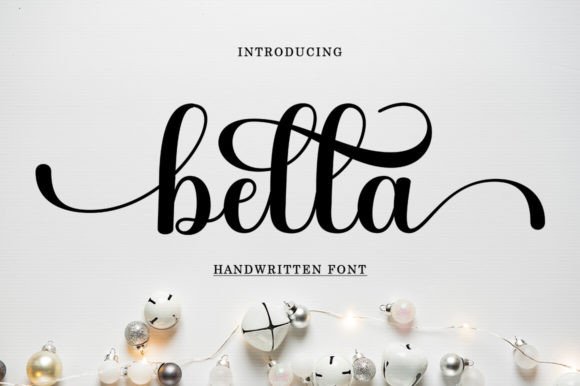
Evaluating the Bella Font: A Practical Guide for Designers and Creators
In the vast landscape of digital typography, selecting the right font is less about finding the "best" option and more about identifying the tool that best communicates your specific message. The Bella font, a delicate and elegant handwritten typeface, has become a popular choice for projects requiring a touch of personality and sophistication. However, understanding where it fits within your design toolkit requires a balanced look at its characteristics, its ideal applications, and the tradeoffs involved in using any script font.
Understanding the Design Philosophy of Bella
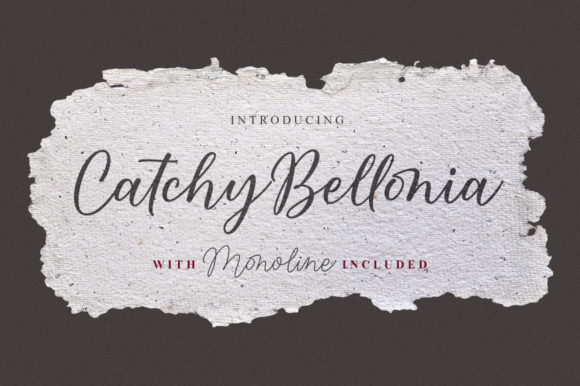
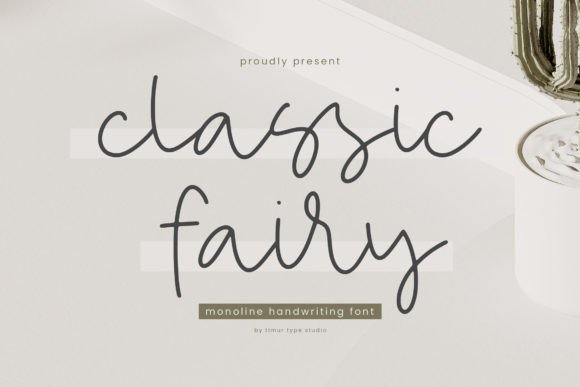
At its core, Bella is a masterpiece of balance in the script category. Unlike many casual handwritten fonts that mimic the hurried scrawl of a ballpoint pen, Bella is designed with distinct, well-balanced letterforms. The strokes are delicate, suggesting an air of elegance often associated with high-end stationery or boutique branding. The connecting letters flow naturally, creating a rhythm that guides the eye across the page without causing visual fatigue.
What makes Bella distinct is its versatility. Many script fonts are "single-use" in their visual impact—too fancy for body text, too casual for luxury branding. Bella occupies a middle ground. Its structure is clean enough to be legible at smaller sizes, yet its flourishes are pronounced enough to serve as a striking headline. For designers evaluating options, this adaptability is a significant asset, reducing the need to pair it with a secondary font for contrast.
Practical Applications and Use Cases
When considering Bella for a project, it is helpful to visualize the context in which the text will be consumed. Because of its aesthetic, Bella excels in environments where emotional connection and visual appeal are prioritized over dense information delivery.
Ideal Scenarios for Bella:
- Wedding Stationery and Invitations: The font's elegant nature makes it a natural fit for formal events. It conveys the traditional feel of calligraphy but with the consistency of digital type.
- Logo Design for Service-Based Businesses: Salons, photography studios, florists, and boutique consultancies often use fonts like Bella to signal a personalized, high-touch client experience.
- Social Media Graphics: In the fast-scrolling environment of platforms like Instagram, Bella can be used to overlay quotes or highlight key phrases, adding a human element to digital marketing.
- Product Packaging: For artisanal goods, cosmetics, or gourmet foods, Bella helps communicate that the product inside is crafted with care.
Comparing Bella to Other Typographic Styles
To make an informed decision, it is essential to compare Bella not just to other fonts, but to different categories of typography. The choice often comes down to a tradeoff between aesthetic flair and functional clarity.
Bella vs. Sans-Serif Fonts
Modern sans-serif fonts (like Helvetica, Open Sans, or Roboto) are the workhorses of digital design. They prioritize legibility, especially on screens. If your project involves long-form reading, technical documentation, or user interface elements, a sans-serif is almost always the correct choice. Bella, by contrast, is an accent font. Using Bella for a paragraph of body text would likely frustrate the reader. The decision factor here is simple: is the text meant to be read for information, or is it meant to be seen as a visual element?
Bella vs. Serif Fonts
Traditional serif fonts (like Times New Roman or Georgia) convey authority, history, and reliability. They are standard in academic and editorial publishing. Bella shares the serif's sense of tradition and elegance but offers a more personal, approachable vibe. While a serif font might suit a law firm or a newspaper, Bella is better suited for a personal brand or a creative agency where the individual's touch is the selling point.
Bella vs. Casual Handwritten Fonts
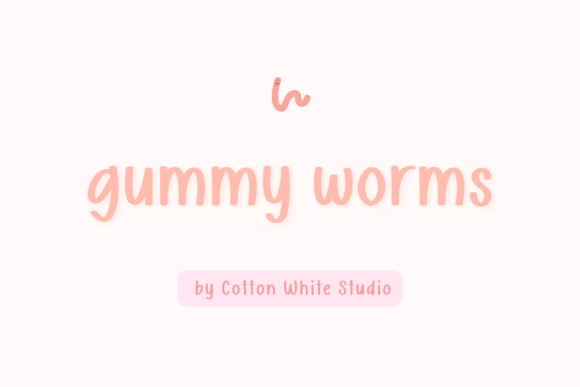
There is a distinct difference between a font that looks "written" and a font that looks "scribbled." Casual handwritten fonts are often rough, irregular, and playful. Bella is polished. If your design requires a sense of whimsy or childlike energy, Bella might feel too mature. However, if you need a handwritten look that maintains professionalism and doesn't look sloppy, Bella is a superior choice.
Analyzing Strengths and Tradeoffs
No typeface is perfect for every situation. A responsible evaluation of Bella requires looking at its limitations as well as its strengths.
The Strengths:
- Aesthetic Appeal: It immediately elevates the perceived value of a design. It looks premium without trying too hard.
- Distinctiveness: It avoids the generic look of standard system fonts, helping a brand stand out.
- Emotional Resonance: It triggers associations with personal communication, warmth, and artistry.
The Tradeoffs:
- Scalability Issues: While distinct, script fonts can become illegible at very small sizes (e.g., footnotes or mobile captions). The delicate strokes of Bella may bleed together on low-resolution screens.
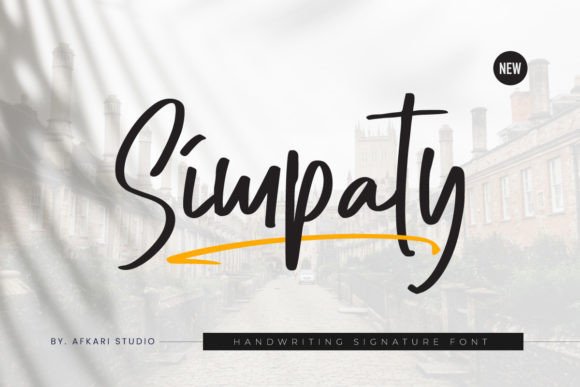
- Color Contrast Requirements: Because the strokes are thin and elegant, Bella requires high contrast against its background. Placing it on a busy image or a low-contrast color can render it unreadable.
- Overuse Risks: Using Bella for every element of a design can make a layout feel cluttered and overwhelming. It requires negative space to breathe.
Decision Factors: When to Choose Bella
Deciding whether to use Bella ultimately comes down to your project goals. You should lean toward Bella if your primary objective is to create a spectacular design that evokes emotion, luxury, or creativity. It is the right choice when the text itself is the graphic element, such as in a monogram or a hero image headline.
However, you may need to explore alternatives if your project demands strict accessibility standards, requires dense data presentation, or targets an audience that prefers ultra-modern, minimalist aesthetics. In those cases, pairing a clean sans-serif with a geometric accent might be more effective than a handwritten script.
Ultimately, Bella is a powerful tool for visual storytelling. By understanding its strengths in elegance and versatility—and respecting its limitations in legibility and scalability—you can use it to create designs that are not only beautiful but also effective in communicating your message. Evaluate your content, consider your audience, and let the font serve the design, not the other way around.