Evaluating Classic Fairy: A Bold Handwritten Font for Headlines and Logos
In the vast landscape of digital typography, selecting the right font for a headline or logotype is a critical decision that shapes a brand's first impression. Among the myriad options, Classic Fairy presents itself as a specific, stylistic choice. This article provides an objective evaluation of this bold handwritten font, exploring its characteristics, ideal applications, and important considerations to help you determine if it aligns with your project's goals.
Understanding Classic Fairy's Design Character
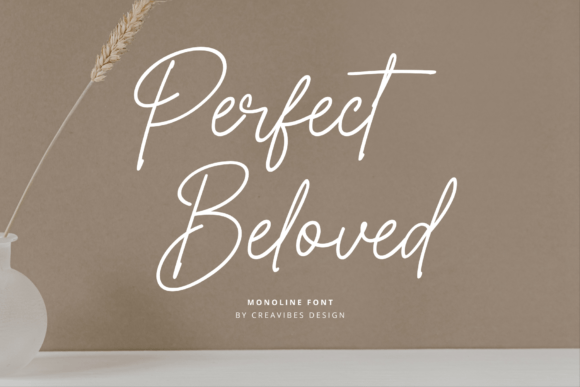
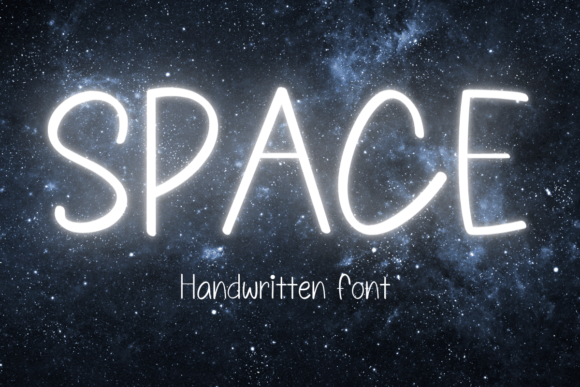
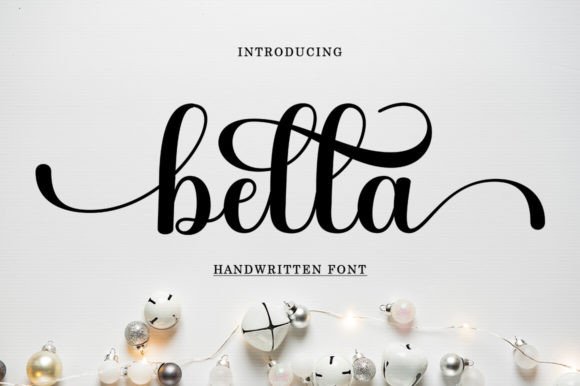
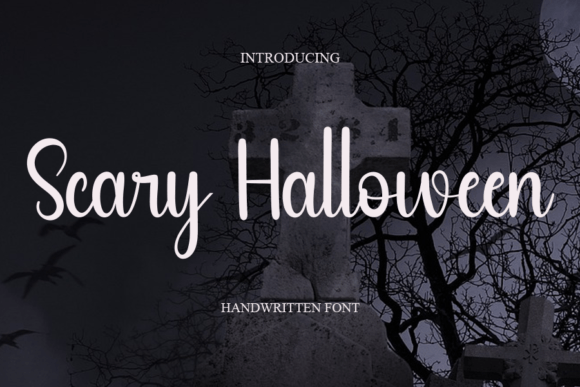
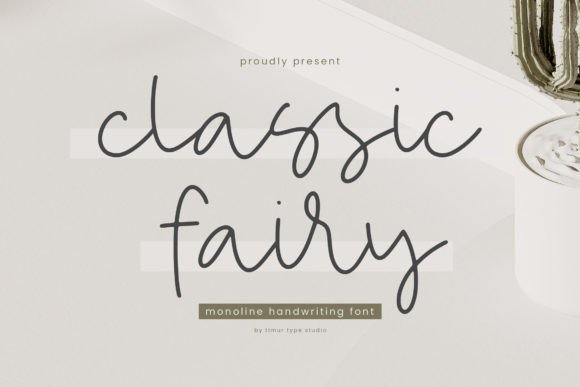
Classic Fairy is categorized as a bold, handwritten display font. Its design is crafted to emulate the fluid, confident strokes of hand-lettering, resulting in a typeface that feels both personal and assertive. The letterforms are characterized by their generous weight, which contributes to a strong visual presence on the page or screen. This font is not intended for long body text; its purpose is to command attention in short, impactful bursts. The stylistic touches—varying stroke widths, subtle ink traps, and organic joins—imbue it with a sense of nostalgia, reminiscent of vintage signage, classic storybooks, or retro advertising. It reads as dynamic and full of character, aiming to inject energy and a human touch into digital designs.
Why Consider a Font Like Classic Fairy?
The interest in a font like Classic Fairy typically stems from a desire to move beyond the neutrality of geometric sans-serifs and the formality of traditional serifs. A designer or creator might evaluate this font for several reasons:
- To Evoke a Specific Mood: The nostalgic, handwritten quality can instantly evoke feelings of warmth, whimsy, storytelling, or retro charm. This is valuable for brands in crafts, children's products, boutique hospitality, or creative services seeking an approachable yet distinctive identity.
- To Create Visual Hierarchy: As a bold display font, it naturally establishes a strong hierarchy when paired with more subdued body text. It can make headlines, logos, or calls-to-action unmissable.
- To Add Personality and Uniqueness: In a sea of standardized fonts, a well-chosen handwritten style can make a brand feel more authentic, bespoke, and memorable. It suggests a human element behind the design.
Key Benefits
When used appropriately, Classic Fairy offers distinct advantages:
- High Visual Impact: Its bold weight and stylistic flair ensure it grabs attention effectively in logos, posters, or website headers.
- Character and Nostalgia: It delivers a strong, predefined personality that can be difficult to achieve with more neutral fonts, saving time in mood-setting.
- Versatility in Thematic Projects: It works well for projects related to fairy tales, vintage themes, artisanal goods, or any context where a touch of handcrafted elegance is desired.
Important Tradeoffs and Considerations
Every stylistic font comes with constraints that must be weighed:
- Legibility at Small Sizes: The intricate, bold strokes that give it character can become muddy and difficult to read when used at small point sizes or in long sentences. It is fundamentally a headline font.
- Contextual Appropriateness: Its strong nostalgic vibe may clash with projects aiming for a modern, minimalist, corporate, or highly technical aesthetic. It carries specific cultural connotations that must align with the brand message.
- Overuse and Saturation: Like any distinctive font, its effectiveness can diminish if used in a context where it is overexposed. Its impact relies on strategic, limited application.
- Technical Considerations: Check the font's licensing for your intended use (e.g., web, print, merchandise). Ensure it includes the necessary character sets and OpenType features you may require.
Situations Where Classic Fairy Excels
Classic Fairy is likely a strong fit for your project if you are working on:
- Logotypes for Creative Brands: A bakery, a boutique wedding planner, a children's author, or a vintage clothing store could use it to create a logo that feels instantly warm and characterful.
- Event Invitations and Stationery: Its handwritten nature lends itself perfectly to invitations, greeting cards, and posters for events seeking a personal, celebratory, or whimsical tone.
- Chapter Titles or Section Headers: In a book, magazine, or blog with a strong thematic focus, it can be used sparingly for chapter titles or section headers to reinforce the overall aesthetic.
- Product Packaging: For artisanal food products, handmade crafts, or specialty goods, it can enhance the perception of being handmade and care-driven.
Situations Where Alternatives May Be Preferable
You should consider other typefaces if your project involves:
- Dense Body Text: For paragraphs of text, a highly legible serif or sans-serif font is non-negotiable. Classic Fairy will hinder readability and cause reader fatigue.
- Corporate or Technical Communications: Annual reports, software documentation, or financial presentations require clarity, neutrality, and professionalism that this font's stylistic nature cannot provide.
- Minimalist or Ultra-Modern Design: If your design language is based on clean lines, geometric shapes, and negative space, a bold handwritten font will create visual dissonance rather than harmony.
- Accessibility-Focused Projects: For interfaces or documents where maximum accessibility is paramount, a font optimized for screen reading with clear letterforms is essential.
Making Your Decision: Practical Insights
To determine whether Classic Fairy aligns with your needs, follow this practical framework:
- Define Your Project's Core Personality: List 3-5 adjectives for your brand or project (e.g., "whimsical, handmade, nostalgic"). Does "bold handwritten" fit within that list?
- Test in Context: Never decide from a specimen sheet alone. Download a trial version (if available) and test it with your actual logo text or headline. See how it pairs with your chosen body font.
- Consider Your Audience: Will your target audience resonate with the nostalgic, fairy-tale aesthetic? Does it align with their expectations and values?
- Evaluate Longevity: Trends in typography shift. Consider whether this style will still feel appropriate for your brand in 5-10 years, or if it is suited for a shorter-term campaign.
- Check Technical Specifications: Verify the font's licensing, file formats, and character support before final purchase or implementation.
In conclusion, Classic Fairy is a purposeful design tool, not a universal solution. Its value lies in its ability to inject bold personality, nostalgia, and a handcrafted feel into specific applications. By carefully evaluating its strengths against the constraints of your project's context, audience, and long-term goals, you can make an informed decision on whether it is the right typographic voice to bring your vision to life.