Discovering West Swashy: Mastering the Serif of Modern Elegance
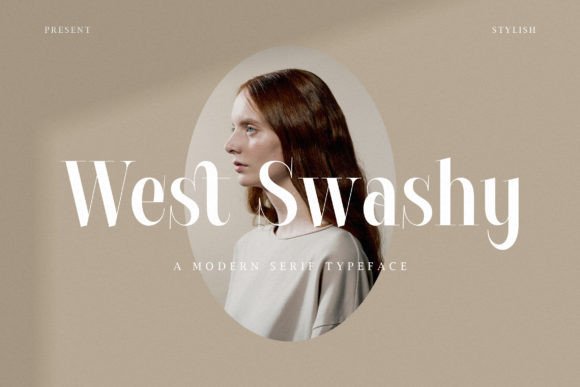
The world of typography is vast, but finding a typeface that perfectly bridges the gap between historical grandeur and contemporary minimalism can be a challenge. Enter West Swashy, a serif typeface designed not just to be read, but to be experienced. It is a font that brings a distinct "swash" to the table—those decorative extensions of letterforms that add flair—without sacrificing the clean legibility required for modern digital and print media. If you are looking for a typeface that whispers luxury while shouting clarity, West Swashy is likely on your radar. However, possessing a beautiful font is only half the battle; understanding how to wield it effectively is where true design mastery lies.
The Allure of Refined Letterforms
West Swashy is categorized as a modern serif, but it carries a personality that sets it apart from the stiff, transitional serifs of the past. Its appeal lies in its versatility. For the entrepreneur creating a logo for a boutique hotel, or the blogger designing headers for a lifestyle site, West Swashy offers a sense of established prestige. It mimics the look of high-end editorial layouts—think Vogue or Architectural Digest—but remains accessible enough for wedding invitations and small business stationery.
The "swash" element is the defining characteristic. Unlike standard serifs that terminate with a simple foot or head, West Swashy offers characters with elegant, flowing strokes. This creates a rhythmic visual texture that guides the eye. However, this very feature is the source of the most common pitfalls users encounter. When used correctly, West Swashy adds contemporary charm; when used incorrectly, it can turn a sophisticated design into an illegible mess.
Avoiding the "Christmas Card" Effect
One of the most frequent misunderstandings regarding decorative serifs like West Swashy is the assumption that more is better. Because the font offers stylistic alternates and swashes, there is a temptation to enable every decorative feature available. This often results in what industry professionals call the "Christmas Card" effect—where the text looks overly festive, chaotic, or illegible.
The Mistake: Applying swash capitals to every single letter in a headline, or using the most decorative version of the font for body text.
The Impact: This destroys readability. If a user has to struggle to decipher your headline, your message is lost. Furthermore, it cheapens the aesthetic. Luxury is often about restraint. Over-designing signals a lack of confidence in the product or message.
The Solution: Adopt a "less is more" approach. Use the swash versions of West Swashy for the first letter of a word or a drop cap in an editorial layout. For headlines, use the standard uppercase West Swashy, which is already elegant enough to command attention without the extra loops and curls. Reserve the full swash treatments for singular instances where you want to create a dramatic focal point, such as the letter "W" in a wedding monogram.
Pairing and Hierarchy: The Silent Partners
West Swashy is a high-character font. It has a strong voice. A common error in layout design is pairing it with another strong voice. If you place West Swashy next to a heavy geometric sans-serif or another ornate script, the fonts will fight for the viewer's attention, creating visual noise rather than harmony.
The Mistake: Ignoring font pairing principles and mixing too many decorative styles.
The Impact: The design feels cluttered and amateurish. It fails to communicate the sophistication that West Swashy is capable of providing.
The Solution: Let West Swashy be the star of the show. Pair it with a clean, neutral sans-serif font for body copy. Fonts like Montserrat, Lato, or a simple sans-serif like Helvetica Neue provide the perfect contrast. The clean lines of the sans-serif will make the intricate details of West Swashy pop. Establish a clear hierarchy: use West Swashy for H1 headers, pull quotes, or logos, and use the neutral font for paragraphs, captions, and navigation elements.
Technical Application: Tracking and Sizing
Typography is as much about engineering as it is about art. A frequent oversight when using West Swashy is neglecting kerning (the space between individual characters) and tracking (the overall spacing of a block of text).
The Mistake: Leaving the tracking at default (0) or applying negative tracking to fit more text on a line.
The Impact: Serifs, especially those with swashes, require breathing room. If you crowd West Swashy, the swashes of one letter will crash into the stems of the next, creating an ugly, tangled knot of ink. This is particularly problematic in smaller sizes, such as on business cards or mobile screens.
The Solution: When setting West Swashy in uppercase for logos or headers, increase the tracking. A value between +50 and +150 (depending on the size) often allows the elegance of the serifs to shine. This "airy" look is a hallmark of high-end luxury branding. Additionally, ensure your line height (leading) is generous—typically 120% to 150% of the font size—to prevent ascenders and descenders from colliding.
Context is King: When to Use (and When to Avoid)
While West Swashy is versatile, it is not a universal tool for every job. A critical mistake is forcing a typeface into a context where it doesn't belong.
The Mistake: Using West Swashy for long-form body text or technical documentation.
The Impact: Serif fonts with high contrast and decorative elements can cause eye strain when read in large blocks, particularly on low-resolution screens. It slows down reading speed and reduces comprehension.
The Solution: Use West Swashy for display purposes. It is perfect for:
- Branding: Logos, packaging, and watermarks.
- Editorial: Magazine titles, chapter headings, and pull quotes.
- Stationery: Wedding invitations, thank you cards, and monograms.
- Web Design: Hero section text and call-to-action headers.
For the body of your blog post, product description, or user manual, switch to a highly readable serif or sans-serif. This contrast ensures that West Swashy remains special and impactful rather than becoming a visual burden.
Pre-Flight Checklist for West Swashy
Before you finalize a design using this typeface, run through a quick evaluation process to ensure you are maximizing its potential. This checklist applies whether you are a freelancer delivering a project to a client or a small business owner designing your own menu.
- Check the License: Ensure you have the correct license for your usage. Are you using it for a client project? Do you need a webfont license for your blog? West Swashy is a professional tool, and respecting the licensing ensures you can use it legally across all platforms.
- Test at Multiple Sizes: A swash that looks majestic at 72pt might look like a smudge at 12pt. Scale the text down to the smallest size it will appear in your design to verify it remains legible.
- Print vs. Digital: If you are designing for print (like a certificate), the ink will spread slightly. Ensure your tracking isn't too tight. If for digital, check how the font renders on different browsers and mobile devices.
- Color Contrast: Because West Swashy has fine hairlines (the thin strokes of the serif), it requires high contrast against its background. Avoid placing light grey West Swashy text on a white background; it will disappear. Use solid, dark colors for the text to maintain that crisp, luxurious edge.
Elevating Your Design Narrative
Ultimately, West Swashy is more than just a collection of vectors; it is a narrative device. It tells your audience that you care about the details, that you value tradition but live in the present, and that quality matters to you. By avoiding the trap of over-decoration, respecting the technical spacing requirements, and pairing it with the right supporting cast, you can transform a standard project into something truly captivating.
Step into the world of refined typography. Whether you are crafting a prestigious certificate or a captivating book cover, let West Swashy do the talking—but make sure you direct the conversation. With these practical insights, you are well-equipped to use this typeface not just to fill space, but to communicate with sophistication and authority.