Deep Affection: The Serif Font That Brings Warmth and Elegance to Your Brand
In the vast digital landscape of typography, where geometric sans-serifs often dominate modern branding, there is a growing desire for warmth, personality, and a touch of human touch. This is where Deep Affection enters the conversation. It is not merely a set of characters; it is a design tool crafted to evoke emotion, sophistication, and approachability. For professionals and creators looking to bridge the gap between classic elegance and contemporary usability, Deep Affection offers a versatile solution that stands out in a crowded market.
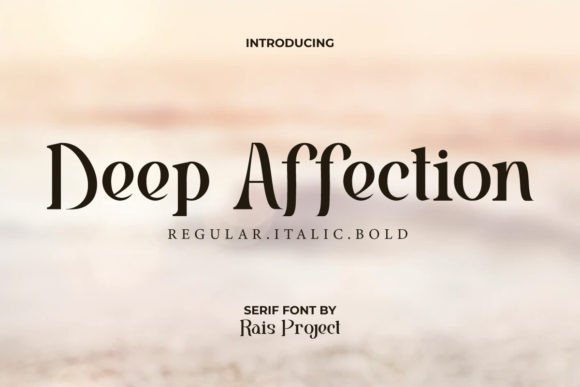
At its core, Deep Affection is a beautiful serif typeface characterized by its graceful curves and balanced proportions. Unlike the rigid, high-contrast serifs of the past, this font family embraces a softer aesthetic. It is designed to be legible while maintaining a distinct artistic flair. Whether you are a small business owner drafting a menu, a graphic designer working on a wedding invitation, or a publisher laying out a lifestyle magazine, understanding the capabilities of this typeface can significantly elevate your visual communication.
Understanding the Anatomy of Deep Affection
To truly appreciate a font, one must look beyond the surface and examine its structure. Deep Affection is constructed with a keen eye for detail, ensuring that every letterform contributes to a cohesive visual story. The font features a moderate stroke contrast, meaning the difference between thick and thin lines is noticeable but not jarring. This characteristic gives the text a rhythmic flow that guides the reader’s eye naturally across the page.
The serifs—the small strokes at the end of larger strokes of a letter—are designed to be slightly bracketed and rounded. This softens the appearance of the text, making it feel less intimidating than traditional Times New Roman or Garamond styles. It is this specific architectural choice that makes Deep Affection particularly suitable for industries that rely on trust and intimacy, such as the spa and salon sector or high-end hospitality.
The Family of Styles: Regular, Italic, and Bold
A typeface is only as good as its versatility, which is why Deep Affection is provided in multiple styles to handle various typographic hierarchies. A single font style can often lead to flat, unengaging layouts. However, having access to Regular, Italic, and Bold allows for a dynamic range of expression.
- Regular: This is the workhorse of the family. It is optimized for body text, ensuring readability in long-form content such as blog posts, product descriptions, or brochures. The spacing and kerning are tuned to prevent letters from colliding, even at smaller sizes.
- Italic: The italic version of Deep Affection is not merely a slanted version of the regular style. It features distinct letterforms, such as a stylized "a" and "e," which add a sense of motion and emphasis. This style is perfect for pull quotes, subtitles, or highlighting specific ingredients on a bakery menu.
- Bold: When you need to make a statement, the Bold style steps in. It provides the necessary visual weight for headings, logos, and call-to-action buttons without losing the inherent elegance of the typeface. It commands attention while remaining sophisticated.
The Versatility of Application: From Café to Cosmetics
One of the most compelling attributes of Deep Affection is its chameleon-like ability to adapt to different brand identities. Typography sets the tone before a customer reads a single word. A harsh, industrial font might signal efficiency, but Deep Affection signals care, quality, and aesthetic consideration.
Food and Beverage: Bakeries, Cafés, and Restaurants
In the culinary world, presentation is everything. The visual design of a menu or packaging influences how a customer perceives the taste of the food. Deep Affection excels in this environment because it mimics the artisanal nature of handcrafted goods. Imagine a bakery using this font for their logo; the serifs suggest a traditional, time-honored recipe, while the clean lines suggest modern hygiene and professionalism. For a café, the italic style can be used to describe the origin of coffee beans, adding a layer of storytelling to the drinking experience. Similarly, a restaurant aiming for a romantic or upscale vibe can use the bold style for headings on their website to create an inviting atmosphere.
Beauty and Wellness: Spas, Salons, and Cosmetics
The beauty industry thrives on trends, but it also relies heavily on the concept of "timeless beauty." This is where the font truly shines. For a spa and salon, the goal is to communicate relaxation and luxury. The flowing curves of Deep Affection evoke a sense of calm and fluidity, much like the services offered. In the cosmetic sector, packaging design is critical. A serif font like Deep Affection on a lipstick box or a perfume bottle suggests premium quality. It bridges the gap between vintage charm and modern chic, appealing to consumers who value both heritage and current trends.
Retail and Craft: Boutiques, Florists, and Homeware
For boutiques and florists, the brand image often revolves around curation and taste. A florist might use Deep Affection for their delivery cards, adding a personal, handwritten-feel touch that enhances the gift-giving experience. In homeware and interior design, the font reflects the aesthetic of the products being sold—items that are meant to make a house feel like a home. The typeface acts as a visual anchor, grounding the brand in a sense of warmth and domesticity.
Publishing and Media
While sans-serifs dominate web design, serifs remain king in long-form reading. Publishing houses and lifestyle magazines can utilize Deep Affection for editorial layouts. Its high legibility makes it excellent for body copy in articles, while the bold and italic styles offer enough variety for complex layouts involving captions, headers, and sub-headers. It provides a reading experience that feels premium and thoughtful.
Evaluating Suitability: Strengths and Considerations
While Deep Affection is a robust typeface, effective design requires matching the tool to the specific task. Before integrating it into your next project, it is helpful to evaluate its strengths and consider its limitations.
Strengths
- Emotional Connection: The primary strength of Deep Affection is its ability to evoke emotion. It feels personal and human, which is essential for brands trying to build a loyal community rather than just a customer base.
- Readability: Despite its decorative elements, the font maintains high legibility. This is crucial for accessibility, ensuring that your message is received by everyone, regardless of visual ability.
- Brand Cohesion: Because it comes with Regular, Italic, and Bold, you can build an entire visual identity using just this one font family. This simplifies the design process and ensures a consistent look across all platforms.
Considerations and Limitations
No font is perfect for every scenario. Deep Affection is a serif font, which means it generally has a more traditional or "classic" feel. If your brand identity is strictly ultra-modern, minimalist, or tech-focused (think cyber security or high-frequency trading), a geometric sans-serif might be more appropriate.
Furthermore, while it works well for display text and medium-length paragraphs, extremely dense academic papers or technical manuals might require a font with slightly more open apertures (the openings in letters like 'c' or 'e') for maximum legibility at very small sizes. However, for standard commercial and web use, Deep Affection performs admirably.
Practical Guide: How to Use Deep Affection Effectively
Knowing a font exists is one thing; knowing how to use it is another. Here is a practical guide for creators and business owners looking to implement Deep Affection in their designs.
Pairing with Other Fonts
Typography is often about contrast. While Deep Affection can stand alone, pairing it with a secondary font can create visual interest. A good rule of thumb is to pair a serif with a sans-serif.
- For Headlines: Use Deep Affection Bold for the headline and a clean, light sans-serif (like Montserrat or Lato) for the subheadline. This creates a hierarchy that is easy to scan.
- For Body Text: If you use Deep Affection for the body, consider a simple sans-serif for buttons and navigation menus to ensure the interface feels snappy and modern.
Color and Spacing
Serif fonts often look best with ample white space. When using Deep Affection, avoid cramming text too tightly. Let the letters breathe. This enhances the luxurious feel of the typeface. Regarding color, Deep Affection pairs beautifully with earth tones (browns, greens, creams) for organic brands, or with high-contrast black and white for luxury brands. Pastel backgrounds also work exceptionally well, highlighting the soft curves of the font.
Real-World Scenario: The Boutique Hotel Website
Imagine you are designing a website for a boutique hotel. The goal is to convey comfort, history, and exclusivity.
- Logo: Use Deep Affection Bold to ensure the hotel name is memorable and authoritative.
- Navigation: Use the Regular style in all caps with wide letter spacing for a modern, airy navigation bar.
- Room Descriptions: Use the Regular style for the main description of the suites, ensuring the text is easy to read for older guests.
- Quotes/Reviews: Use the Italic style to highlight guest testimonials. The slant adds a personal, testimonial feel that builds trust.
Conclusion: The Lasting Impression of Deep Affection
In a world where first impressions are increasingly digital, the choice of typography can make or break a user's experience. Deep Affection is more than just a collection of vectors; it is a strategic asset for anyone looking to communicate with elegance and warmth. Its versatility allows it to serve a wide array of industries—from the delicate petals of a florist to the bold flavors of a restaurant.
By utilizing its Regular, Italic, and Bold styles, creators can construct a rich visual hierarchy that guides the user, evokes the right emotions, and ultimately drives engagement. Whether you are refreshing a logo, designing a new menu, or laying out a digital magazine, consider the value of a typeface that prioritizes human connection. Deep Affection offers a timeless aesthetic that adapts to modern needs, proving that good design is, at its heart, deeply affectionate.