Retro Boogy: Capturing the Groovy Spirit of the Disco Era in Your Designs
There is a distinct feeling you get when you look at a design that perfectly captures the 1970s disco era. It isn't just about the colors or the patterns; it is about the typography. If you have been searching for a way to inject that specific brand of nostalgia into your work—something that feels both luxurious and danceable—the Retro Boogy font might be exactly what your project needs. It is more than just a serif typeface; it is a stylistic time machine that brings the excitement of the boogie era into modern design.
The Essence of the Aesthetic
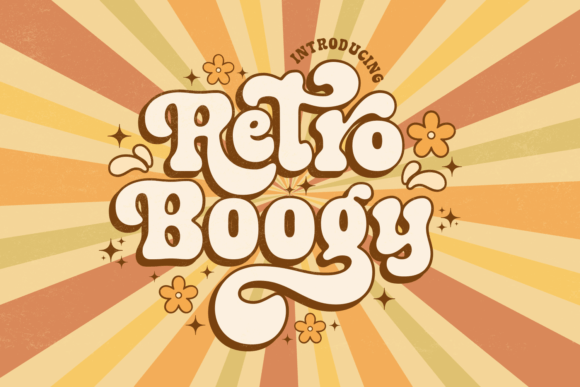
At its core, Retro Boogy is a retro-themed serif font, but that description hardly does it justice. It combines the structural integrity of classic typography with a distinct "groovy" twist. When you look at the letterforms, you will notice elegant, dramatic curves that mimic the fluid motion of music and dance. However, the defining feature of this typeface is the inclusion of decorative swashes. These aren't just standard serifs; they are artistic flourishes that adorn each letter, adding a touch of luxury and flair that was characteristic of high-end disco branding.
This font captures the essence of vintage charm without feeling dusty or outdated. It bridges the gap between the past and the present, allowing you to create designs that feel nostalgic yet fresh. Whether you are working on a digital platform or a physical print, the Retro Boogy font provides a visual rhythm that is hard to ignore.
Bringing Back the Golden Age of Music
One of the most natural fits for Retro Boogy is in the music industry, particularly for projects that aim to evoke the energy of the late 70s and early 80s. Imagine you are designing a poster for a local funk band or creating the album cover for a synth-wave artist. You need typography that screams "disco" without looking like a caricature.
This is where the font shines. You can use the swashes to create dynamic headlines that look like they are moving on the page. For a music festival lineup, using Retro Boogy for the headlining acts can instantly communicate the vibe of the event. It tells the audience that this is going to be a high-energy, visually stimulating experience. Even for DJ flyers or club night promotions, this font sets the mood immediately, suggesting a night of dancing and fun.
Modern Packaging with a Vintage Soul
The food and beverage industry has seen a massive resurgence in retro branding. Consumers are drawn to packaging that feels authentic and handcrafted. If you are a designer working on a craft beer label, a soda brand, or a specialty coffee package, Retro Boogy offers a solution that feels premium yet accessible.
Consider a craft beer brand that wants to highlight a "throwback" recipe. Using a standard serif might look too corporate, while a sans-serif might look too modern. Retro Boogy strikes the perfect balance. The dramatic curves suggest a focus on flavor and experience, while the vintage aesthetic implies tradition. You can use it for the main product name to create a focal point, letting the swashes add a decorative frame that elevates the perceived value of the product. It works exceptionally well on physical materials like paper labels and cardboard boxes, where the texture of the print can complement the vintage style of the font.
Film Titles and Editorial Design
In the world of film and editorial design, typography sets the tone before a single image is seen. If you are working on a title sequence for a period piece, a documentary about the disco era, or even a fashion magazine spread inspired by 70s glamour, this font is a powerful tool.
Fashion editorials, in particular, can benefit from the luxurious feel of Retro Boogy. It pairs well with photography that features bold colors, sequins, and dramatic lighting. Using the font for pull quotes or section headers can break up the monotony of body text and draw the reader's eye to key themes. It adds an artistic flair that standard fonts often lack, making the layout feel more curated and intentional.
Practical Scenarios for Creative Projects
Beyond the commercial applications, there are plenty of personal and creative projects where this font excels. The versatility of Retro Boogy allows it to adapt to various needs:
- Event Invitations: Planning a themed party? Whether it is a birthday bash or a corporate retro night, the font sets the dress code instantly. It looks fantastic on digital invites and printed cards alike.
- Merchandise: T-shirts, tote bags, and stickers often rely on bold typography. A groovy, retro font is a staple in the streetwear and vintage clothing market. It appeals to a demographic that values style and nostalgia.
- Social Media Graphics: In a crowded feed, standard text gets ignored. Using Retro Boogy for Instagram announcements or Pinterest pins can stop the scroll. Its unique silhouette makes it instantly recognizable, even in smaller sizes.
How to Use It Effectively
While Retro Boogy is a showstopper, it requires a thoughtful approach to be effective. Because it is a display font with high decorative value, context is everything.
Pairing with Other Fonts
You generally do not want to write a full paragraph of body copy in Retro Boogy. The swashes and curves that make it beautiful can make long blocks of text difficult to read. Instead, use it for headlines, titles, and short phrases. Pair it with a clean, simple sans-serif for the body text. This contrast allows the retro font to stand out without overwhelming the viewer. A font like Helvetica, Arial, or a modern geometric sans-serif works well to ground the design.
Color and Backgrounds
This font loves color. It was born in an era of bold palettes, so don't be afraid to use it with rich golds, deep purples, vibrant oranges, or electric blues. However, ensure there is enough contrast between the text and the background to maintain readability. If you are using a busy background image, consider placing the text inside a solid color block or adding a subtle drop shadow to lift it off the page.
Spacing and Layout
Because of the swashes, Retro Boogy often requires more horizontal space than a standard font. When laying out your design, be mindful of the tracking (letter spacing). Sometimes, tightening the tracking slightly can help the letters interlock beautifully, creating a cohesive wordmark. However, be careful not to overlap the swashes in a way that makes the letters illegible. Give the text room to breathe so the artistic details can be appreciated.
Who Benefits Most?
The primary beneficiaries of this font style are graphic designers, brand strategists, and DIY creators who want to tap into the "retro wave" without sacrificing quality. It is particularly useful for:
- Brand Identity Designers: For clients in the entertainment, food, or lifestyle sectors who want a logo that feels established and energetic.
- Content Creators: YouTubers and influencers focusing on vintage aesthetics can use it to create cohesive channel art.
- Print-on-Demand Sellers: Entrepreneurs selling posters or apparel can leverage the font's popularity in the vintage niche to attract buyers.
Final Considerations
When choosing to implement Retro Boogy, consider the longevity of your project. While retro trends are cyclical and currently very popular, ensure that the font fits the specific message you want to convey. If your goal is to communicate modern minimalism, this might not be the right choice. But if your goal is to communicate joy, energy, celebration, and a touch of nostalgia, it is an excellent candidate.
Ultimately, typography is about personality. Retro Boogy has a strong, charismatic personality that can elevate a design from "good" to "memorable." By understanding its strengths and pairing it wisely, you can create designs that resonate with audiences looking for that perfect blend of classic charm and groovy flair. It is a tool that invites you to play, experiment, and ultimately, boogie.