Restoration: A Vintage Sans Serif for Authentic Branding
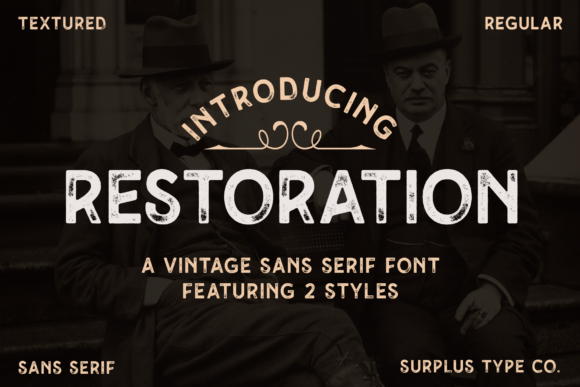
When you need a typeface that feels both familiar and distinctive, finding the right balance is key. The Restoration font is a sans serif that delivers exactly that. It’s not just another retro font; it’s a design tool with a specific point of view. Its rustic vintage aesthetic, characterized by angled bars and a textured character, offers a unique alternative to the overly polished or the generically grungy. This two-style font—featuring both a textured and a clean version—provides the versatility to handle projects that demand authenticity without sacrificing clarity.
Understanding Restoration's Unique Character
At its core, Restoration is a sans serif, which means it benefits from the clean readability associated with that family. However, its vintage inspiration is evident in every glyph. The "angled bars" are a subtle but powerful detail. Instead of perfectly horizontal or vertical strokes, slight angles are introduced, giving letters a handcrafted, slightly weathered feel. This isn't digital perfection; it's a nod to the imperfections of old sign-painting or letterpress techniques. The result is a typeface that feels grounded and honest.
The two included styles are crucial for practical application. The textured version comes with a built-in, subtle grit. This is perfect for designs where you want to immediately convey history, ruggedness, or an organic, handmade quality. Think of it for craft brewery labels, heritage brand logos, or outdoor adventure gear. The clean version strips away this texture, offering the same unique letterforms but in a crisp, digital-friendly format. This version is ideal for digital interfaces, modern branding where a hint of vintage is desired, or projects where the texture might become noisy at small sizes.
Practical Applications for Creators and Brands
The real value of a typeface like Restoration is in how it solves specific communication challenges. Here’s how different professionals can put it to work:
- For Logo and Brand Identity: Restoration is a standout choice for logos that need to tell a story. A coffee roaster could use the textured version to evoke the tradition of sourcing and roasting beans. A boutique furniture maker might pair the clean version with a minimalist layout to suggest modern craftsmanship with a timeless soul. Its distinctive angles make it highly recognizable, helping a brand stand out in a crowded marketplace.
- For Marketing and Advertising: In advertising, capturing attention and setting a mood is paramount. Use Restoration in headlines for social media graphics, posters, or email headers to instantly communicate a vintage or artisanal theme. The textured style works brilliantly for promoting a local farmers' market, a music festival with a folk vibe, or a limited-edition product launch with a heritage angle.
- For Web and Digital Design: The clean version of Restoration can add character to a website without compromising user experience. It's excellent for hero section headlines, section titles, or call-to-action buttons on sites for independent publishers, record stores, or specialty food shops. It pairs well with a neutral, modern sans serif for body text, creating a clear hierarchy with personality.
- For Editorial and Publishing: Bloggers, magazine editors, and book designers can use Restoration for titles and pull quotes to add visual interest. Imagine a food blog with a headline set in Restoration's textured style, evoking a sense of kitchen tradition, or a travel magazine article title that feels like an old passport stamp.
Designing with Restoration: Tips for Effective Use
To get the most out of Restoration and ensure your designs remain clear and effective, consider these practical guidelines:
- Pair It Wisely: Restoration has a strong personality. To maintain readability, especially in longer texts, pair it with a simple, neutral companion. A clean sans serif like Helvetica Neue or Open Sans for body copy, or a classic serif like Georgia for a more traditional feel, will create a balanced and professional typographic system.
- Context is Key: Always match the font style to the project's context. The textured version is for emphasis and mood, not for body text or small, critical information. Use it for headlines, logos, and large display text. The clean version is more versatile for smaller sizes and digital screens.
- Embrace Simplicity: Because Restoration is visually interesting, it works best in layouts that aren't overly cluttered. Give it breathing room. A strong headline in Restoration against a clean background or a simple image will have more impact than if it's competing with too many other elements.
- Color and Texture Synergy: The textured version naturally pairs with earthy, muted color palettes—think cream, olive, burgundy, and charcoal. It also complements other organic textures like kraft paper, linen, or wood grain. The clean version can adapt to a broader range of colors, including bolder and more contemporary hues.
Inspiration Across Different Projects
Let's explore some concrete project ideas that leverage Restoration's strengths:
- Startup Brand Kit: A new sustainable clothing line could build its entire brand kit around the clean version of Restoration. Use it for the logo, hang tags, and website headings to convey a brand that is both modern and conscious of quality and longevity.
- Event Promotion: Design a series of social media posts and posters for a local jazz festival. Using the textured version for the festival name and artist names creates a cohesive, nostalgic visual theme that resonates with the music's history.
- Product Packaging: For a small-batch hot sauce company, the textured Restoration style on the label immediately communicates handmade, artisanal quality. Paired with a simple illustration and clear ingredient list in the clean version, the packaging becomes both attractive and informative.
- Personal Portfolio: A freelance photographer specializing in documentary or portraiture could use the clean version of Restoration for their name and section headers on their portfolio website. It adds a layer of thoughtful, editorial style without distracting from the imagery.
Ultimately, Restoration is more than just a decorative font. It’s a purposeful design choice for anyone looking to inject their work with a sense of history, craftsmanship, and distinctive character. By understanding its two styles and applying it with intention, you can create designs that are not only visually appealing but also communicatively powerful, telling a richer story to your audience. It’s a tool for building brands, crafting messages, and creating visuals that feel both authentic and thoughtfully designed.