Groovy Blossom: A Guide to Using This 70s-Inspired Font Without the Pitfalls
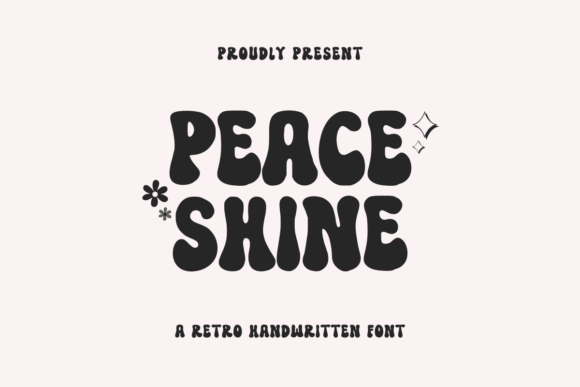
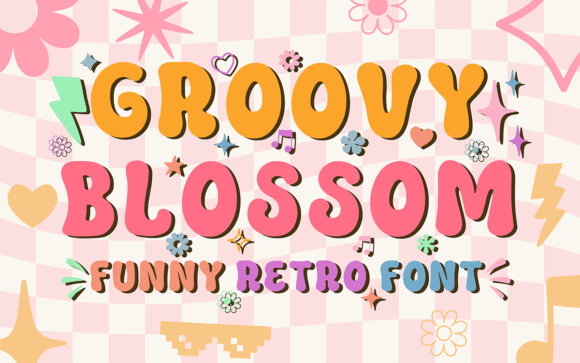
Step into the whimsical world of Groovy Blossom, a font straight from the 70s. Its charming small letters are not just characters; they are beautiful design elements waiting to add a touch of vintage cuteness to your creative projects. This typeface, with its rounded forms and playful, flower-child vibe, has become a popular choice for designers and creators seeking a retro aesthetic. But using a decorative font like Groovy Blossom effectively requires more than just a love for its style. It demands an understanding of its strengths and, more importantly, its limitations.
Why Groovy Blossom Captivates Creators
The appeal of Groovy Blossom is immediate and powerful. It evokes a specific era of optimism, handmade artistry, and free-spirited design. For a modern audience, it offers a refreshing break from the stark minimalism of sans-serifs and the formal tradition of serifs. You'll find its application across a wide spectrum: branding for artisanal bakeries, headers for lifestyle blogs, wedding invitations, children's book titles, and social media graphics aimed at a nostalgic or whimsical audience. Its unique letterforms make it a standout choice for projects where personality is paramount.
The Common Misstep: Treating a Display Font as a Workhorse
The most frequent error with Groovy Blossom is a fundamental misunderstanding of font categories. It is a display or headline font. This means it was designed for short, impactful text—titles, logos, pull quotes, and single words or phrases. Its intricate, decorative details are its greatest asset for grabbing attention, but they become its biggest liability when overused.
Imagine a full paragraph set in Groovy Blossom. The eye quickly tires of decoding the complex letterforms. The text loses legibility, especially at smaller sizes or on low-resolution screens. The charming details merge into a visual blur, defeating the font's purpose. This isn't a failure of the font itself, but a mismatch between its design and the task. Using it for body copy is like using a delicate, ornate chisel for every cut in a woodworking project—it's the wrong tool for the job and will yield poor results.
How This Affects Your Project
The consequences of this mistake are tangible. Readability plummets, which can frustrate your audience and cause them to disengage. The intended vintage charm can shift to a feeling of clutter and amateurish design. For a business, this can undermine brand credibility. For a blogger, it can increase bounce rates. The efficiency of your design process also suffers, as you may spend hours trying to force the font to work in a context it was never meant for.
Practical Advice for Harmonious Pairing
The solution is simple and effective: font pairing. Use Groovy Blossom for your headlines, titles, or call-to-action buttons where you want maximum personality. Then, pair it with a highly readable, complementary font for your body text.
A classic and safe choice is a clean, simple sans-serif font. Think of fonts like Open Sans, Lato, or Montserrat. Their neutral, geometric forms provide a calm, readable foundation that allows the whimsy of Groovy Blossom to shine without competing. For a more organic, friendly feel, a rounded sans-serif like Nunito can also work beautifully. The key is contrast in complexity, not necessarily in style. Avoid pairing it with other highly decorative fonts, as this will create visual chaos.
Here’s a better approach in practice:
- Project: A vintage-themed wedding invitation.
- Mistake: Setting all text, including date, time, and venue details, in Groovy Blossom.
- Better Choice: Use Groovy Blossom for the couple's names or the "Wedding Invitation" header. Set the event details in a gentle, elegant sans-serif like Quicksand.
This structure guides the reader's eye, prioritizes information, and maintains the vintage aesthetic with clarity.
Overlooking Technical and Licensing Details
Another area where creators stumble is in the technical evaluation and legal use of the font. Not all font files are created equal, and not all licenses are the same.
Before you download or purchase Groovy Blossom, check its file format. OTF (OpenType Font) files generally offer the most features and broadest software compatibility. TTF (TrueType Font) is also widely supported. Ensure the version you get includes the character set you need. Does it have standard punctuation? Does it include numbers? For international projects, check for extended Latin characters or other language support.
Crucially, understand the font license. A "free for personal use" license is common, but using such a font in a logo for your business, on merchandise you sell, or in a paid client project is a copyright violation. Always read the license agreement provided by the font's creator or foundry. Reputable sources like FontSpring or Creative Market provide clear licensing terms. Investing in a proper commercial license is not just a legal necessity; it's an ethical practice that supports the designers who create the tools we love.
Evaluating Fit for Your Audience and Medium
Finally, take a moment to consider if Groovy Blossom truly aligns with your project's goals and audience. While it's a fantastic font, it's not universal.
Ask yourself: Does my target audience appreciate a retro, playful aesthetic? Is the tone of my project aligned with the font's personality? A law firm's annual report would be a poor context for Groovy Blossom, but a indie music festival poster could be perfect. Also, consider the medium. It may look stunning on a high-resolution poster but become a muddy mess on a small mobile screen or in a low-resolution print. Test it in the actual environment where it will be viewed.
By approaching Groovy Blossom with this practical mindset—respecting its category, pairing it wisely, checking technical specs, and aligning it with your audience—you harness its full potential. You move beyond simply choosing a trendy font to making a deliberate, effective design decision. This thoughtful approach ensures your projects are not only beautiful but also functional, professional, and satisfying for both you and your audience.