Burnt Dreams: A Critical Evaluation of an 80s Horror-Inspired Font
For designers and creatives working within the horror genre, particularly those drawn to the aesthetic of 1980s cinema, typography is a foundational element of authenticity. The search for a font that captures a specific, era-appropriate mood can be challenging. Burnt Dreams is a typeface that enters this space, offering a meticulously handcrafted design that channels the chilling essence of vintage movie posters. This article provides a balanced evaluation of Burnt Dreams, exploring its potential benefits, practical considerations, and the scenarios where it may or may not be the optimal choice for your project.
Understanding the Design and Intention of Burnt Dreams
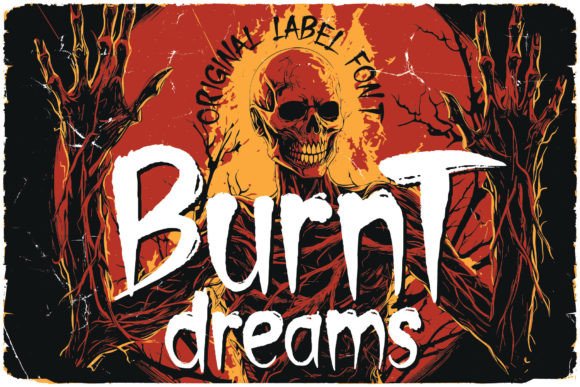
At its core, Burnt Dreams is a display typeface designed to evoke a very specific nostalgia. It is not a general-purpose font for body text; rather, it is a stylistic tool crafted for headlines, logos, and thematic graphics. Its design philosophy is rooted in the hand-lettered, often imperfect, and textured typography seen on horror film posters, VHS covers, and paperback novel covers from the 1980s. The "burnt" aspect of its name likely refers to its textured, slightly eroded appearance, which suggests age, wear, and a gritty, analog quality that contrasts sharply with clean, modern digital fonts.
The font's primary value lies in its ability to instantly set a tone. When used in a design, it aims to transport the viewer to a world of practical effects, synthesizer scores, and practical-joke-gone-wrong storylines. This makes it a specialized asset rather than a universal solution. Understanding this context is the first step in evaluating whether it aligns with your creative goals.
Potential Benefits and Practical Applications
The most significant benefit of using Burnt Dreams is its capacity for instant atmospheric generation. For designers tasked with creating content that requires an immediate, unmistakable connection to 80s horror, this font can serve as a powerful shortcut. It eliminates the need to manually distress or modify a standard font to achieve a similar effect, saving valuable production time.
Its applications are quite specific, which helps in defining its utility. It is a strong fit for:
- Poster and Album Art: For independent film posters, book covers, or music albums (especially in synthwave, darkwave, or horror punk genres), Burnt Dreams can provide a professional and authentic typographic centerpiece.
- Event Promotions: Halloween events, retro-themed parties, or horror conventions can benefit from its evocative style on flyers, social media graphics, and tickets.
- Merchandise Design: T-shirt graphics, enamel pins, and other merchandise for niche audiences often rely on strong, thematic typography. Burnt Dreams can deliver the "crafty touch" sought in this market.
- Digital Content: YouTube thumbnails, podcast artwork, and website headers for channels or blogs dedicated to horror media can use this font to strengthen their brand identity.
Furthermore, its noted multilingual support and availability in common font formats (such as OTF, TTF, and WOFF) are practical advantages. This ensures wider usability across different software platforms and for projects targeting international audiences, reducing technical barriers to implementation.
Considerations, Tradeoffs, and Limitations
While Burnt Dreams excels in its niche, it is important to consider its limitations to make an informed decision. The very qualities that make it appealing for certain projects can become drawbacks in others.
Readability is a primary tradeoff. Fonts designed for stylistic impact, especially those with heavy texture and irregular forms, are not optimized for extended reading. Using Burnt Dreams for body copy or in sizes where legibility is critical (e.g., on-screen instructions, detailed product descriptions) would be inadvisable. Its strength is in large, impactful displays where mood supersedes the need for quick, effortless reading.
Genre specificity is another key consideration. This font is deeply embedded in a particular aesthetic. If your project requires a more general "scary" font, a clean thriller-style typeface, or a futuristic horror vibe, Burnt Dreams might feel tonally misaligned. Its 80s nostalgia is both its greatest asset and its limiting factor. It is a tool for a specific job, not a Swiss Army knife.
Overuse and thematic saturation are risks in design. If every element of a project screams 80s horror, the design can become one-dimensional or even parody. Burnt Dreams should be used as a key accent within a broader design system, balanced with complementary fonts (perhaps a clean sans-serif for supporting text) and thoughtful imagery.
Decision-Making Insights: When to Choose Burnt Dreams
Determining if Burnt Dreams is the right choice involves asking a few practical questions about your project:
- What is the core audience and their expectations? If your audience consists of aficionados of 80s horror who appreciate and recognize nuanced references, this font will likely resonate deeply. For a general audience unfamiliar with the aesthetic, its impact may be lost.
- Is the project's tone more nostalgic than genuinely terrifying? Burnt Dreams leans into a stylized, almost retro-charming version of horror. It's more The Monster Squad or A Nightmare on Elm Street poster than the gritty realism of a modern psychological thriller. Align the font's inherent tone with your narrative.
- Are you seeking a complete typographic solution or a specialist accent? This font is best viewed as the headline act. You will still need to select a highly readable, complementary font for any secondary text, ensuring visual hierarchy and clarity.
Exploring Alternatives and Complementary Tools
If Burnt Dreams doesn't seem like a perfect fit, or if your project's scope is different, the typography landscape offers alternatives. For a broader "horror" feel without the 80s specificity, research distressed serif fonts or condensed gothic typefaces. If you admire the texture but need more flexibility, you could consider pairing a clean, bold font with a separate texture overlay or distressing effect in your design software, giving you more control.
Ultimately, the value of a font like Burnt Dreams lies in its ability to solve a specific creative problem efficiently and effectively. It is a tool for evoking a precise, nostalgic atmosphere. By evaluating your project's needs for authenticity, audience alignment, and typographic hierarchy, you can determine whether this handcrafted font is the missing piece to bring your hauntingly nostalgic vision to life.