Monarqy: A Practical Look at a Retro Display Font for Modern Projects
In the crowded landscape of typefaces, finding a font that offers genuine personality without sacrificing usability can be a challenge. Monarqy enters the scene as a display font with a distinct, retro-futuristic character, drawing inspiration from the bold, geometric, and often funky aesthetics of the 1980s. But beyond its stylistic flair, the critical question for designers and creators is whether it holds up as a practical tool. This analysis examines Monarqy's design philosophy, its technical features, and where it fits into a professional workflow.
Evaluating the Core Design Aesthetic
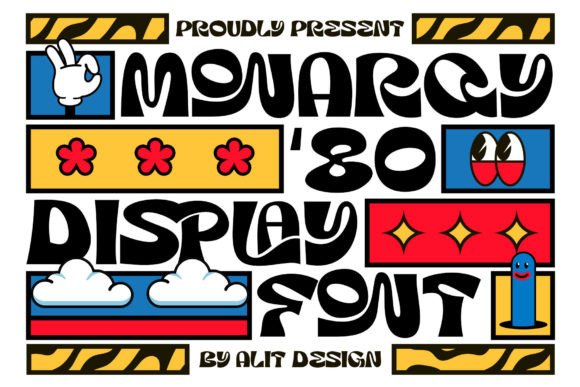
Monarqy's visual identity is its most immediate and defining feature. The font doesn't just reference the 80s; it embodies a specific subset of the era's design language—think neon signage, movie title sequences, and early digital graphics. The letterforms are characterized by a sense of controlled dynamism. Curves are often exaggerated, and strokes can vary unexpectedly, creating a rhythm that feels energetic and slightly irregular, yet intentionally so. This isn't a font for conveying quiet authority; it's built to make a statement, inject movement, and capture attention quickly.
For professionals, the evaluation hinges on context. A brand targeting a nostalgic audience or a project celebrating retro culture could find Monarqy to be an authentic choice. Its strength lies in evoking a very specific mood. However, this specificity is also its primary limitation. Its strong stylistic voice means it is unlikely to be a versatile workhorse for general corporate communication, where neutrality and subtlety are often preferred. Its value is highest in applications where its aesthetic aligns directly with the message.
Analyzing Functional Strengths and Usability
Beyond aesthetics, a font's practical value is determined by its technical execution. Monarqy presents several features that merit closer inspection.
Character Set and Glyph Coverage
With a reported 610 characters, Monarqy offers a robust foundation. This count typically includes uppercase and lowercase letters, numerals, punctuation, and extended Latin characters for multi-language support. For many display-oriented projects—such as logos, headlines, posters, and social media graphics—this coverage is generally sufficient. Designers should verify the exact glyph map to ensure it supports the specific languages required for their target audience.
The Role of Ligatures and Alternates
Monarqy's inclusion of ligatures and stylistic alternates is a significant practical consideration. Ligatures, which combine specific letter pairs into single, flowing glyphs, are not merely decorative. In a font with Monarqy's expressive curves, they can prevent awkward collisions between characters and improve the overall visual cohesion of a wordmark or headline. Stylistic alternates offer even greater control, allowing designers to swap out a standard letterform for a different version to better fit a specific layout or to create a more unique look. This level of typographic control is a mark of a thoughtfully designed font and empowers users to fine-tune their typography rather than accepting a one-size-fits-all result.
Readability in Practice
It's crucial to distinguish between legibility (the ability to identify individual characters) and readability (the ease of reading extended text). Monarqy's design prioritizes impact over long-form readability. Its unique shapes and decorative elements are engineered for short bursts of text, like a title or a logo. Attempting to use it for body copy or lengthy paragraphs would likely result in visual fatigue for the reader. Its strength is in being seen and felt, not necessarily in facilitating comfortable, sustained reading.
Practical Applications and Ideal Use Cases
Understanding where Monarqy performs best helps designers and creators integrate it effectively into their toolkit.
- Branding and Identity: Monarqy could be a strong candidate for brands in entertainment, music, gaming, retro-themed food and beverage, or any venture seeking a bold, youthful, and energetic identity. Its suitability depends entirely on the brand's personality and audience. It would be a poor fit for a law firm or a financial institution but could be perfect for a synthwave music label or a vintage arcade bar.
- Editorial and Publishing: For magazines, blogs, or book covers dealing with pop culture, retro themes, or futuristic concepts from a historical lens, Monarqy can create compelling chapter titles, pull quotes, or feature headers that immediately set a thematic tone.
- Digital and Social Media: In the fast-scrolling environment of social media, a distinctive headline font is invaluable. Monarqy's character can help posts stand out in a feed, particularly for content related to events, product launches, or creative announcements where a burst of personality is needed.
- Merchandise and Apparel: T-shirt designs, posters, and stickers that tap into 80s nostalgia or cyberpunk aesthetics are natural fits for Monarqy's style.
Considerations for Integration and Limitations
No font is without its trade-offs. The primary consideration with Monarqy is its intense stylistic commitment. Overusing it within a single project can lead to visual monotony or an overly themed look. A balanced design system would pair Monarqy with a highly neutral and legible sans-serif or serif font for body text, using the display font sparingly for maximum impact.
Another professional consideration is file format and licensing. Users must ensure the font license covers their intended use, whether for web, print, merchandise, or app development. Furthermore, when used in web design, performance considerations like file size and loading times become relevant, especially with a font containing many alternate glyphs.
Monarqy is not a font for every project. Its value is not in ubiquity but in specificity. It excels as a tool for creating a focused, energetic, and distinctly retro visual language. For designers and creators whose work aligns with its character, it offers a potent combination of expressive design and functional typographic features that can elevate a project from generic to memorable. The decision to use it should be a strategic one, based on whether its personality serves the core message and resonates with the intended audience.