Is 80s Groovy Retro the Right Font for Your Next Design Project?
In the world of typography, choosing a font is much like selecting the right outfit for an event. You need to consider the venue, the audience, and the message you want to convey. If your goal is to evoke a sense of nostalgia, energy, and playful maximalism, you have likely encountered the 80s Groovy Retro font. This typeface is designed to transport viewers back to the vibrant era of the 1980s, characterized by bold curves, neon aesthetics, and disco vibes. However, while it is visually striking, it is not a one-size-fits-all solution. This guide explores the distinct characteristics of 80s Groovy Retro, compares it to other stylistic choices, and helps you decide if it aligns with your specific design objectives.
Understanding the Aesthetic of 80s Groovy Retro
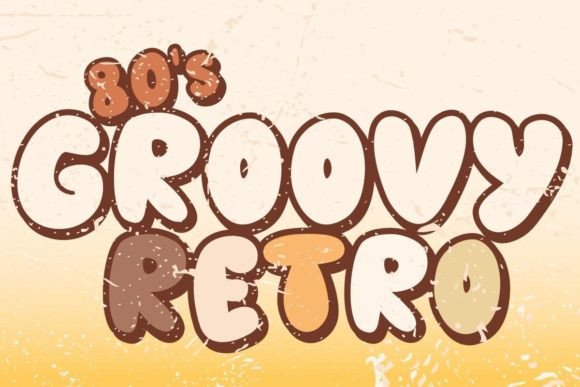
To evaluate whether 80s Groovy Retro fits your project, it is essential to understand its visual DNA. This font is not merely a collection of letters; it is a stylistic interpretation of a specific cultural moment. The design features are heavily influenced by the graphic design trends of the late 70s and early 80s, often referred to as the Memphis style or the "Vaporwave" aesthetic in modern interpretations.
The primary characteristic of 80s Groovy Retro is its bold, curvy letterforms. Unlike the rigid geometry of the Art Deco movement or the minimalism of Swiss design, this font embraces fluidity. The strokes often feature varying weights, and the terminals (the ends of the letters) may flare out or curve in unexpected ways, mimicking the hand-painted signage popular in amusement parks and roller rinks of the era.
- Weight and Presence: The font is typically heavy. It is designed to command attention, making it suitable for headlines and display text rather than body copy.
- Decorative Elements: Depending on the specific version, 80s Groovy Retro may include inline details, shadowing, or extruded effects that mimic 3D lettering.
- Character Spacing: To maintain its energetic vibe, the tracking (space between letters) is often tight, allowing the curves of adjacent letters to interact.
Comparing 80s Groovy Retro with Other Nostalgic Options
When researching retro fonts, you will find a broad spectrum of styles, even within the "80s" category. It is helpful to compare 80s Groovy Retro with other common approaches to understand its specific niche.
The Neon vs. The Wood Paneling
Some 80s-inspired fonts focus on the "Miami Vice" aesthetic—slender, sans-serif lines with neon glows. These fonts feel sleek, cool, and somewhat elegant. In contrast, 80s Groovy Retro leans more toward the "Saturday Morning Cartoon" or "Pop Art" vibe. It is warmer, louder, and more energetic. If your project requires a chill, atmospheric mood, a neon sans-serif might be better. If you need high energy and excitement, 80s Groovy Retro is the stronger contender.
Script vs. Block
Another comparison point is the structure of the letters. Many retro fonts use a disconnected script style, mimicking cursive handwriting often seen on 80s trapper keepers or rock band logos. 80s Groovy Retro, however, is usually a connected or semi-connected display face. This distinction matters for legibility. Block-style retro fonts are generally easier to read at a glance, whereas script fonts can sometimes sacrifice clarity for style.
Strengths and Tradeoffs of the Groovy Style
Every design choice involves a tradeoff. 80s Groovy Retro offers significant visual impact, but it comes with constraints that must be managed carefully.
The Strengths
The most obvious benefit of using 80s Groovy Retro is its ability to instantly set a mood. In a crowded digital landscape, this font cuts through the noise. It triggers an emotional response—nostalgia for older audiences and a trendy "retro-cool" aesthetic for younger viewers (Gen Z). It is excellent for:
- Event Branding: Music festivals, themed parties, and trivia nights benefit from the immediate association with fun.
- Product Packaging: For items like craft sodas, vintage clothing labels, or synth-wave music albums, this font acts as a visual shorthand for the product's identity.
- Short-Form Content: Social media graphics, Instagram stories, and YouTube thumbnails require immediate attention, which this font demands.
The Tradeoffs
The complexity of the letterforms in 80s Groovy Retro presents challenges. The most critical tradeoff is legibility. Because the letters are highly stylized, they can be difficult to read at small sizes or in long sentences. Using this font for a paragraph of text would likely result in eye strain for the reader.
Furthermore, the font is stylistically "loud." It can easily overwhelm other design elements. If you pair 80s Groovy Retro with a busy background image or multiple competing colors, the design can quickly become chaotic and unreadable. It requires "breathing room" and a balanced layout to function effectively.
Decision Factors: When to Choose 80s Groovy Retro
Deciding whether to use 80s Groovy Retro depends on answering a few key questions about your audience and your message.
Is your audience receptive to nostalgia?
If your target demographic is adults aged 20–50, the answer is often yes. Millennials and Gen Xers often respond positively to 80s aesthetics. However, if your project is for a corporate financial report or a medical institution, the playful nature of 80s Groovy Retro would likely undermine the seriousness and trust required for those topics.
What is the hierarchy of your text?
Typography relies on hierarchy. You need headlines, subheadings, and body text. 80s Groovy Retro is strictly a headline or "display" font. It works best when paired with a very simple, neutral sans-serif font (like Helvetica, Roboto, or Open Sans) for the body text. This contrast allows the retro font to shine without causing readability issues.
Practical Application and Alternatives
If you decide that 80s Groovy Retro is the right fit, consider how it interacts with other design resources. Because the font is so expressive, it often pairs well with minimalist layouts. Let the font be the hero element.
However, if you find that 80s Groovy Retro is slightly too whimsical or cartoonish for your specific needs, there are alternatives within the same genre that might offer a better fit:
- Geometric Retro: If you like the 80s vibe but need something cleaner, look for geometric sans-serifs with rounded corners but uniform stroke widths. These offer a "tech-retro" feel without the hand-drawn look of the Groovy style.
- Distressed Grunge: If you want an 80s vibe that feels more "underground" or "punk" rather than "pop," look for fonts with rough edges or texture overlays. 80s Groovy Retro is typically smooth and polished, whereas grunge fonts feel more raw.
Ultimately, 80s Groovy Retro is a powerful tool in a designer's kit. It is not a neutral choice; it is a statement. By understanding its bold curves and high-energy personality, and by balancing it with clean layouts and legible body text, you can successfully transport your audience back to the vibrant era of neon lights and disco vibes without sacrificing professionalism or clarity.